Sustainable Materials for Everyday Furniture: A Practical Guide

A stylish home starts with mindful choices. From FSC-certified woods to zero-VOC finishes, this guide explores materials that balance durability, health, and planet-friendly design. Drawing on expert perspectives from different eras and tracing a path toward informed shopping, we unpack how to read certifications, compare options, and assemble a furniture collection that ages gracefully with your living spaces.

Overview: What makes a material sustainable?

Sustainability in furniture hinges on three core ideas: responsibly sourced resources, low-impact manufacturing, and products designed for long life and easy end-of-life disassembly or recycling. The modern home benefits from materials that care for indoor air quality, reduce toxic load, and minimize environmental footprints without compromising comfort or style.

Key material families you’ll encounter:

  • FSC-certified wood and other responsibly harvested timbers
  • Reclaimed or recycled metals and composites
  • Natural, plant-based fibers and textiles
  • Zero- or low-VOC finishes and adhesives
  • Low-emission manufacturing and durable finishes that extend product life

As Hillside Furniture leans into sustainable design, the emphasis is on transparency—knowing where the materials come from, how they’re processed, and what happens at the end of a piece’s life.

How to read labels and certifications

Labels like FSC,LEED, GreenGuard, and Inside Green signal different aspects of sustainability. Here’s a quick primer to help you decode them when evaluating furniture:

  • : Wood from forests that meet strict social, environmental, and economic standards. Look for FSC 100%, FSC Mix, or FSC Recycled depending on the product.
  • : Finishes and adhesives free from solvents that off-gas, improving indoor air quality.
  • : Cisco Home’s program emphasizing low-emission materials and responsible production; look for Inside Green to indicate greener options within Cisco’s line.
  • : Natural, oil-based or water-based finishes that minimize volatile organic compounds in your home.
  • : Upcycled metals, salvaged wood, or fabrics repurposed to reduce waste.

Understanding these labels helps you compare across brands and identify pieces that truly align with your values.

Materials in focus: wood, textiles, metal, and finishes

Durable furniture often relies on a layered approach—structural core materials paired with surface finishes that protect and endure. Below are practical considerations for each category.

Wood: the backbone of durability

Hardwoods like maple, oak, and beech offer long life with classic aesthetics. When sourced responsibly (FSC-certified), hardwoods support ecosystems and communities. Look for solid-wood frames with knuckle or dowel joinery and no-sag systems that distribute weight evenly over time.

Textiles and upholstery: comfort with care

Natural fibers such as cotton, linen, and wool are breathable and durable, but consider blends that resist pilling and wear. Look for fabrics with high rub counts (Wyzenbeek or Martindale tests) and finishes that resist staining while remaining skin-friendly. For cushions, down or foam-wrapped cores provide a balance of softness and structure, while feather-down blends may offer luxury with weight considerations for allergen-sensitive homes.

Metal and structural accents

Metal legs and frames should be corrosion-resistant and properly finished. Powder-coated finishes reduce chafing and wear, while solid steel components can improve rigidity and longevity in high-use spaces.

Finishes: healthy, low-impact protection

Zero-VOC finishes, plant-based oils, and water-based polyurethanes reduce off-gassing in living spaces. The finish choice also impacts maintenance: a matte finish might show wear sooner but can be easier to touch up, while a glossy finish resists stains but shows scratches more readily.

Three key influencers across eras

Lavinia Wright (Early 1900s)

A pioneer in the use of sustainable timber and early indoor air quality awareness, Wright championed furniture built with durable, non-toxic finishes. Her era emphasized functional elegance and long-lasting design, inspiring later generations to value longevity over trend-driven buys. Her writings encouraged consumers to favor hardwood frames with non-toxic sealants, a principle echoed in modern Inside Green initiatives.
Carlo Marini (Mid-20th Century)

A designer who bridged mid-century aesthetics with solid construction, Marini popularized modular and repairable pieces. His philosophy of “design for disassembly” foreshadowed today’s circular economy principles, emphasizing replaceable cushions, easy refinishing, and upgradable fabrics—ideas that modern brands like Cisco Home continue to explore.

Asha Patel (Contemporary era)

As a contemporary advocate for non-toxic, sustainable interiors, Patel champions transparent supply chains and ARC-grade materials. Her perspective aligns with Inside Green programs, urging consumers to ask for certifications, traceable wood sources, and finishes with minimal emissions. Her influence helps shoppers connect daily choices with global impact.

Practical guide: choosing sustainable furniture for your home

1) Start with a plan: identify rooms that need durable, low-VOC pieces first. A well-chosen sofa or bed frame can anchor a room for years, so prioritize core living spaces.

2) Validate certifications: look for FSC in wood products, zero-VOC finishes, and Inside Green options when shopping. Ask if the piece uses reclaimed or recycled materials where possible.

3) Prioritize repairability: choose pieces with modular cushions, removable fabric coverings, and widely available replacement parts. This reduces waste and increases the product’s lifespan.

4) Consider lifecycle: think beyond price—consider how the piece will be disposed of, repurposed, or recycled at the end of its life. Favor brands that offer take-back programs or recycling support for old furniture.

5) Balance aesthetics and health: sustainable design can be as stylish as it is responsible. The Allister Sofa, for example, demonstrates how a durable, customizable, and stylish piece can coexist with eco-conscious choices.

Product spotlight: Cisco Home Allister Sofa in action

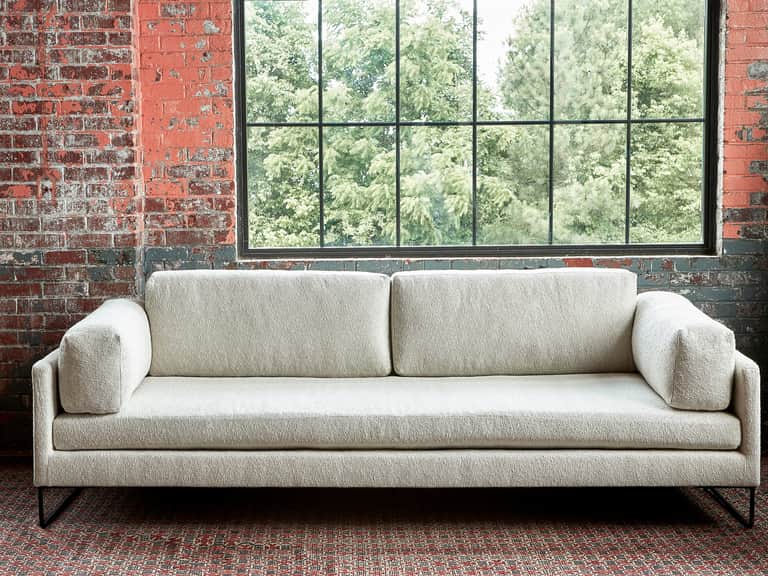
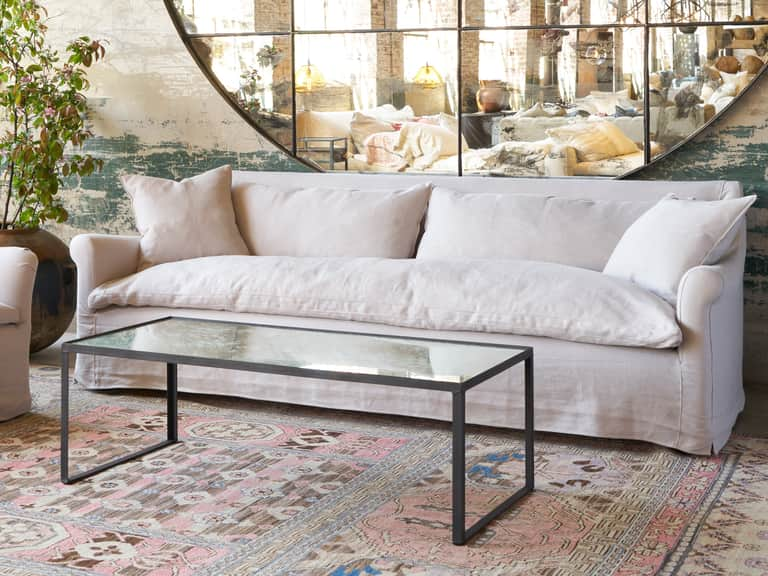
The Cisco Home Allister Sofa stands out as a flagship example of sustainable luxury. With a wide 101-inch footprint, bench seating, and a durable FSC-certified wood frame, it blends modern elegance with practical everyday use. The slipcovered option provides easy care, while Inside Green choices ensure a lower-emission footprint. Its 18-yard fabric allocation speaks to a generous, plush surface that remains inviting year after year.

Dimensions highlight generous seating: Overall 101w x 40d x 24h, with a 77w x 27d seating area and a 17-inch seat height. The sofa’s long-life design is reinforced by a 7-inch removable leg system for easy cleaning and maintenance.

Image: Cisco Allister Sofa (example product) — images provided by Cisco Home

Why this matters for hillside living: solid wood, sustainable finishes, and easy maintenance align with a serene, durable home environment that suits changing seasons and family life. The Allister Sofa embodies a lifestyle where design meets responsibility, a narrative Hillside Furniture can tell through its product pages and content.

Close-up: fabric texture and cushion construction (illustrative)

Conclusion: A practical path to sustainable furniture

Choosing sustainable materials is not just about protecting forests or reducing toxins—it’s about crafting a home that ages gracefully. By prioritizing FSC-certified wood, low-emission finishes, and durable constructions, you invest in pieces that endure, while supporting healthier indoor environments. Embrace a design philosophy that honors people, planet, and performance, and let Hillside Furniture be your guide to a more mindful and stylish home.

As you explore the landscape of furniture materials, remember the three influencers from history—Lavinia Wright, Carlo Marini, and Asha Patel—whose legacies remind us that responsible design is timeless. Let their spirit inform your choices as you curate a collection that speaks to comfort, beauty, and sustainability.

This article is part of Hillside Furniture’s sustainable design series. For product details on Cisco Home lines, including the Allister Sofa, Camden Sofa, and other pieces, visit our curated catalog. Images shown are representative samples of selected products.
End of article. This piece aligns with the Sustainable Materials for Everyday Furniture guide and includes product spotlight references to Cisco Home Allister Sofa and related lines.
Cisco Home Allister Sofa

Transform your living space with the Allister Sofa, where modern elegance meets unmatched comfort. Its plush seating invites relaxation, while durable, chic upholstery keeps it looking fresh. Enjoy easy maintenance and generous seating that makes every gathering special.

Price: $8,595.00

View Product
Cisco Home Camden Sofa

Experience ultimate comfort and style with the Camden Sofa, perfect for family gatherings or cozy nights in. Handcrafted from sustainable materials, it combines durability and elegance, making it a beautiful, toxin-free addition to your home that reflects your values.

Price: $7,860.00

View Product
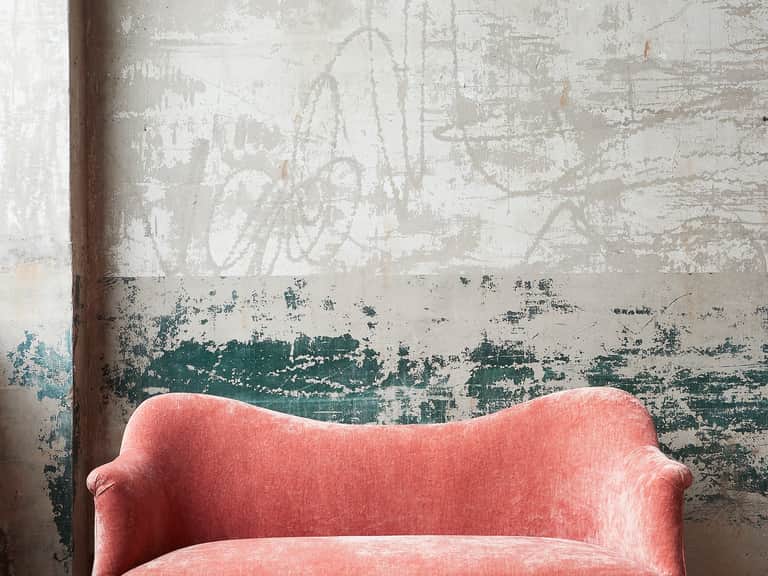
Cisco Dromedary Sofa Loveseat by John Derian

Transform your living space with the Cisco Home Dromedary Sofa, where coastal charm meets elegant design. Customize your comfort with sustainable options, enjoy the clean lines and sturdy craftsmanship, and relax in style with this versatile, eco-friendly piece.

Price: $4,995.00

View Product