Choosing Truly Sustainable Materials for Everyday Furniture
A practical guide to selecting eco-friendly materials for common home furniture. Learn how to evaluate sustainability claims, understand material life cycles, and choose pieces that balance style, durability, and environmental impact.
A Snapshot of Sustainable Materials Today
In the era of conscious consumption, the furniture you bring into your home can reflect a commitment to people, planet, and performance. Sustainable materials are not a fad; they are a shift toward design that respects forests, oceans, and indoor air quality. The Hillside Furniture domain concept we’re exploring sits at the intersection of style and stewardship, helping readers distinguish between glossy marketing and genuine environmental value.
We start with three credible pillars you’ll encounter as you shop: certified woods, reclaimed or renewable sources, and low-toxicity finishes. These pillars aren’t just about how a piece looks; they reveal performance, durability, and end-of-life potential. This article dives deep into how to read labels, what to expect from lifecycle claims, and how to balance aesthetics with responsible choices.
1) Common Sustainable Materials You’ll Hear About
Understanding what makes a material sustainable starts with the source and the lifecycle. Here are the core categories most readers will encounter in furniture specs and showrooms:
- FSC-certified woods: The Forest Stewardship Council certifies that wood products come from responsibly managed forests. Look for FSC or FSC-certified hardwoods in product specs. These woods are tracked from seed to shelf, with independent audits ensuring social and environmental standards.
- Reclaimed and renewable sources: Reclaimed wood uses materials that would otherwise be waste, repurposing beams, floors, or palettes. Renewable sources include fast-growing species or bamboo that are harvested with long-term management in mind.
- Low-toxicity, zero-VOC finishes: Finishes that minimize volatile organic compounds improve indoor air quality. Linseed oil, plant-based finishes, or water-based sealers are common examples. The key is to verify that finishes are tested and labeled for low emissions.
- Low-embodied-energy manufacturing: Beyond the material itself, sustainable design considers where and how a product is made. Local production, shorter supply chains, and modular design can reduce overall environmental impact.
- Durability and repairability: Materials that resist wear, are easy to repair, and have standardized parts extend the product’s life. Durable upholstery, replaceable components, and classic joinery help reduce waste over time.
As a practical guide, you should ask suppliers about certifications, end-of-life options, and the total lifecycle impact of the piece. A sustainable material is not just a green label—it’s a system of responsible choices from forest to furniture care.
2) Reading Product Specs for Real Environmental Impact
Specs are your map. They tell you where a piece comes from, how it’s built, and what happens at the end of its life. Here are the signals that matter most:
- Certifications you can trust: FSC is a strong anchor, but many brands also pursue PEFC, SCS Global, or Cradle to Cradle certifications. Look for explicit statements about wood origin, processing methods, and third-party audits.
- Extraction and processing costs: Materials like certain tropical woods can carry higher environmental costs due to extraction practices. Transparent disclosures about sourcing help you judge true sustainability.
- End-of-life recyclability: Can the product be disassembled for recycling or repurposing? Are components standardized for easy replacement? This matters for long-term environmental impact.
- Indoor air quality: Finishes with VOC disclosures, test results, and adherence to safety standards matter for homes with sensitive occupants.
- Durability metrics: A sustainable piece should be durable enough to outlive trends. Look for joinery details, frame construction, and upholstery durability specs (abrasion resistance, fabric grade).
Understanding these signals helps you separate marketing calls from genuine environmental stewardship. A product that commits to transparency on sourcing, life cycle, and repair aligns with the ethos of hillside-inspired sustainable living.
3) Practical Tips for Durable, Repairable, and Non-Toxic Furniture
Durability and repairability are the heart of sustainable design. Here are actionable steps that empower you to invest wisely:
- Choose modular designs: Pieces that can be updated or reconfigured extend their life. A modular sofa with replaceable sections or a bench that can pivot into different seating arrangements reduces waste and adapts to changing spaces.
- Favor standardized parts and finishes: When you can replace a cushion, leg, or fabric, you reduce the need for an entirely new piece. Standardized components also simplify maintenance and resale value.
- Opt for non-toxic, durable finishes: Finishes that resist wear while staying low-emission protect indoor air quality and ensure longevity without frequent refinishing.
- Prioritize repairability over novelty: A well-built, repairable piece may have a longer life than a trend-driven design. Ask about replacement parts, service options, and warranty coverage.
- Consider the lifecycle of the wood: FSC-certified woods are a strong baseline. If you see reclaimed wood or forests managed for biodiversity and climate resilience, you’re looking at a material with proven sustainability credentials.
These tips connect lifestyle with responsibility. They also align with a broader narrative—where furniture—like the Allister Sofa from Cisco Home—becomes a meaningful part of a healthier, more mindful home.
4) A Spotlight on a Real-World Example
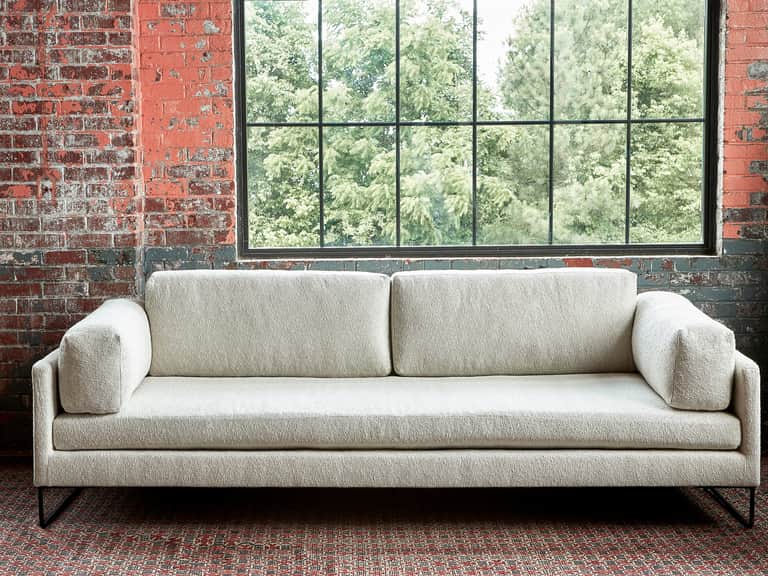
The Cisco Allister Sofa demonstrates how sustainability, design, and comfort can converge in a single piece. Here are the essentials to know about this model, cited with authentic product details:
Featured Product
Cisco Home Allister Sofa
ENV-ALL-SOF-101 | 101"w x 40"d x 24"h
A centerpiece of modern comfort, the Allister Sofa uses FSC-certified wood and webbing support, with slipcover and upholstered options. It’s designed for durability and easy maintenance, including removable cushions and a sturdy metal-based slipcover option. The furniture’s ethical footprint is complemented by a finish that emphasizes longevity and ease of repair.
Dimensions: 101"w x 40"d x 24"h; Sitting Space: 77"w x 27"d. Finish: Black Rust base with Maple Wood. Upholstery: Slipcovered or upholstered, depending on the color story you want for your room. Inside Green option available.
Its design reflects a philosophy where space is used thoughtfully, materials are sourced responsibly, and comfort remains uncompromised. This is a living example of how a statement piece can embody both style and sustainability—an ethos that aligns with hillside-inspired living and eco-conscious design.
5) Three Key Figures Across Time Who Shaped Sustainable Design
From early environmental reformers to contemporary designers, these three individuals illuminate how sustainable thinking evolved and why it matters for home furniture today.
Jane Goodall (1934–)
Primatologist and conservationist
Jane Goodall’s reverence for living systems informs a broader respect for forests and biodiversity. Her advocacy for sustainable land-use practices demonstrates how human economies, including furniture, can minimize harm to ecosystems. In the context of materials, her work underscores the importance of source forests that protect habitats and support long-term environmental health.
Buckminster Fuller (1895–1983)
Architect, systems theorist, and futurist
Fuller championed resource-efficient, modular design and a holistic view of sustainability. His ideas about durable, efficient, and reparable systems echo in contemporary furniture, where modular seating and repair-friendly construction reduce waste. Fuller’s thinking invites designers to optimize materials, form, and function with an eye toward long-term viability.
Nate Berkus (1971–)
Designer and author advocating sustainable aesthetics
As a modern design voice, Berkus emphasizes clean lines, durable materials, and responsible sourcing in accessible ways. His approach showcases how sustainable choices can be integrated into mainstream interiors—bridging fashion and function while encouraging buyers to seek products with transparent supply chains and repair-friendly design.
These figures, spanning decades, remind us that sustainable design is an ongoing conversation. It’s not just about choosing FSC-certified wood; it’s about imagining furniture as part of a bigger ecosystem—one that supports people, places, and future generations.
6) Putting It All Together: A Thoughtful Shopping Plan
To translate the ideas above into a practical shopping plan, start with a needs assessment: what is your space, your climate, your family, and your budget? Then apply a sustainability checklist to every candidate piece:
- Source: Is the wood FSC-certified? Are there reclaimed or rapidly renewable materials?
- Manufacture: Is the product made in a facility that follows ethical labor practices and reduces emissions?
- End-of-life: Can components be replaced or recycled? Is there a take-back or repair program?
- Finish: Are the finishes low in VOCs and safe for occupants? Are they water-based or natural oils?
- Durability: Will the furniture last with a reasonable level of wear? Are joints and frames designed for longevity?
As you curate your home, you’re not merely purchasing furniture; you’re investing in a lifestyle that values health, community, and the planet. That is sustainable design in practice—a hillside approach to everyday living.
7) Images to Inspire (A Note About Visuals)
While this article centers on materials and lifecycle thinking, visuals help tell the story. If you’re displaying product pages or in-store signage, consider pairing images of furniture with close-ups of wood grain, finishes, and joinery. In content like this, images should illustrate:
- FSC-certified wood panels and visible grain patterns
- Close-ups of sustainable finishes and textures
- Modular configurations and easy-repair features
- End-of-life options, like disassembly and recycling-ready components
Note: This article intentionally references a real-world product—Cisco Home Allister Sofa—to ground the discussion in a tangible example. Visuals should reflect the product’s eco-friendly features, such as the interior Green option and the sustainable wood frame.
8) A Final Word on Sustainability and Style
Sustainable furniture isn’t a compromise; it’s a balance of beauty, utility, and responsibility. By focusing on certified woods, responsible sourcing, non-toxic finishes, durability, and repairability, you can curate a home that looks good and does good. This aligns with a lifestyle that values thoughtful consumption—an ethos well-suited to hillside living and the modern home.
In the spirit of community and long-term stewardship, consider supporting brands that publish clear environmental data, invest in transparent supply chains, and offer repair or take-back programs. Your choices today will influence the homes of tomorrow—and perhaps even the landscapes around you.