Introduction: The Hillside Aesthetic and Its Material Demands
Timeless hillside interiors fuse rustic charm with modern clarity. The slope and light of a hillside setting invite materials that breathe—woods with grain that tells a story, textiles that invite touch, and finishes that age gracefully under seasonal changes. The aim is not perfection but authenticity: finishes that respect the land they came from, textiles that regulate temperature and air, and sourcing that supports local makers and sustainable forests.
In this guide, we explore material choices that align with hillside-inspired living. We draw upon the philosophies of early rural crafts, mid-century modern stewardship of natural materials, and contemporary sustainable design. The result is a coherent approach to interiors that feel grounded, warm, and resilient—spaces that welcome the senses and endure the seasons.
Material Minute: Hillside-Friendly Woods and Finishes
Wood is the backbone of hillside interiors. It carries the scent of forests, the texture of bark, and the memory of a tree’s life. When selecting woods, consider both the ecological footprint and the finish’s long-term behavior in a hillside climate—where temperature and humidity can swing with seasonal shifts.
- Maple: Maple is widely available, durable, and offers a light, clean grain that reflects light beautifully in cottage-styled rooms. When used with a clear, low-VOC finish, maple can preserve its natural warmth while maintaining a bright, airy feel that complements hillside blues and greens.
- Reclaimed oak: Reclaimed oak carries history in its rings and patina. Its stability makes it a solid choice for tables, floors, and larger pieces that endure foot traffic and daily use. Finishes should be chosen to avoid darkening in direct sun and to minimize yellowing over time.
- Oak vs. maple environmental considerations: Both woods can be sustainably sourced. Seek FSC certification and inquire about finish composition. Favor water-based or low-VOC varnishes that reduce off-gassing without compromising durability.
- Finishes that honor grain: Use oil-based or water-based finishes that enhance grain without creating a heavy plastic feel. A matte or satin sheened finish can preserve the tactile nature of the wood while reducing glare in hillside daylight.
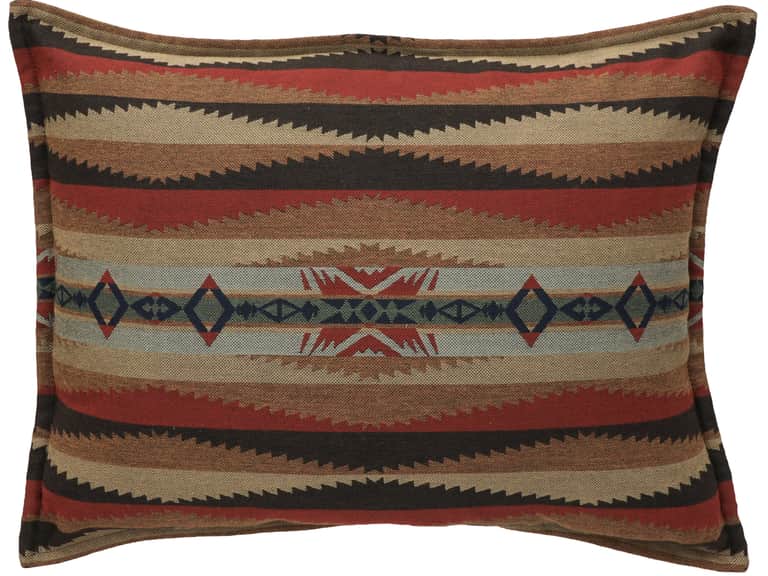
In the product world, the Sunset Canyon Pillow Sham from Wooded River demonstrates how a textile ensemble can echo hillside palettes—sage greens, earthy browns, rusts, and charcoals—while adding tactile depth through tasseled edges and leather fringes. This piece exemplifies how textiles carry the story forward without overpowering a space.
Selected product display below demonstrates integration of textile and wood pairing in a hillside-inspired scheme.
Breathable Textiles: Natural Fibers for Climate and Comfort
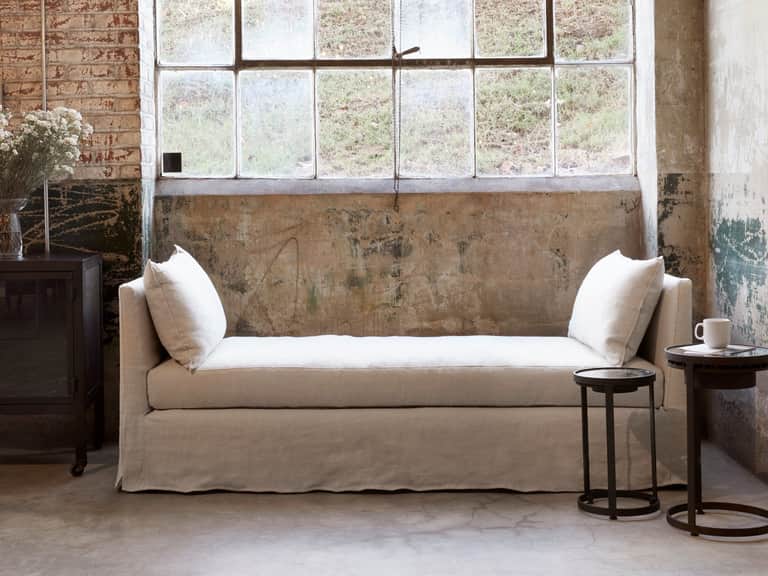
Textiles in hillside interiors should manage humidity, regulate temperature, and feel inviting to the touch. Natural fibers like linen, cotton, and wool blends create a breathable, comfortable environment that ages gracefully. Linen blends, in particular, offer a relaxed, rustic edge that aligns with hillside living while maintaining a refined silhouette in sofas, bed coverings, and drapery.
- Linen: Breathable, cool in summer, warm in winter; ages beautifully with character over time.
- Cotton and cotton blends: Versatile, easy-care options that can be woven into tactile textures for upholstery and curtains.
- Wool blends: Natural insulators that resist odors and regulate temperature, suitable for throws and cushions in cooler hillside mornings.
Within this textile context, Sunset Canyon Pillow Sham demonstrates how to embed desert-inspired hues (sage greens, desert browns, rusts, charcoals) into textile design while maintaining comfort and durability. The tasseled Euro shams and leather fringes add tactile drama without compromising fabric longevity.
Sourcing Smart: Local, Inside Green, and Transparent Partners
Sourcing is not merely a supply chain step; it is a declaration of values. Hillside interiors benefit from partnerships with makers who prioritize sustainable forestry, non-toxic finishes, and transparent labor practices. Look for certifications such as FSC for wood, Oeko-Tex or GOTS for textiles, and third-party verification of manufacturing conditions. Ask suppliers about material lifecycle impacts, from harvest to end-of-life recyclability or biodegradable components.
Within this context, Cisco Home and Vermont Furniture Designs set a benchmark for Inside Green options, with a focus on durable construction, sustainability, and thoughtful design. The industry’s best narratives begin with responsible raw materials and end with products that weather time without sacrificing aesthetic integrity.
Case Studies: Three Figures from Different Time Periods
The hillside interior story has always been a conversation across ages. Three figures, spanning distinct eras, illustrate how sustainable materials have shaped interior thinking—from the craftsman movement to contemporary eco-conscious design.
1) Gustav Stickley (1858–1942)
Pioneer of the American Arts and Crafts movement, Stickley championed honest materials and simple lines. His ethos—"form follows function"—resonates in hillside spaces where structure is honest and finishes are unpretentious. Maple and oak furniture with hand-rubbed finishes reflect a respect for the wood’s natural grain, aging gracefully as light shifts across a hillside room.
Takeaway: Favor craftsmanship and finish that reveals the material’s truth. Seek pieces with visible joints and minimal ornamentation that celebrate material integrity and longevity.
2) Le Corbusier (1887–1965)
A modernist master who embraced functional efficiency and durable materials, Le Corbusier’s ideas translated into hillside interiors as modularity and light-filled spaces, pairing timber or steel with expansive glazing to frame exterior hillside views. His approach to material honesty and modular furniture informs contemporary hillside design with a dose of urban clarity.
Takeaway: Incorporate modular pieces and simple forms that respect the hillside climate, allowing space for natural light and air without sacrificing comfort.
3) William McDonough (b. 1951)
A contemporary advocate for design for the circular economy, McDonough emphasizes cradle-to-cradle thinking and sustainability at scale. In hillside interiors, his ethos translates to furniture designed for disassembly, recyclable finishes, and a network of suppliers who share transparent lifecycle data.
Takeaway: Favor products with clear lifecycle documentation, repairability options, and finishes chosen to minimize environmental impact while preserving beauty.
A Practical Example: Integrating a Sunset Canyon Pillow Sham
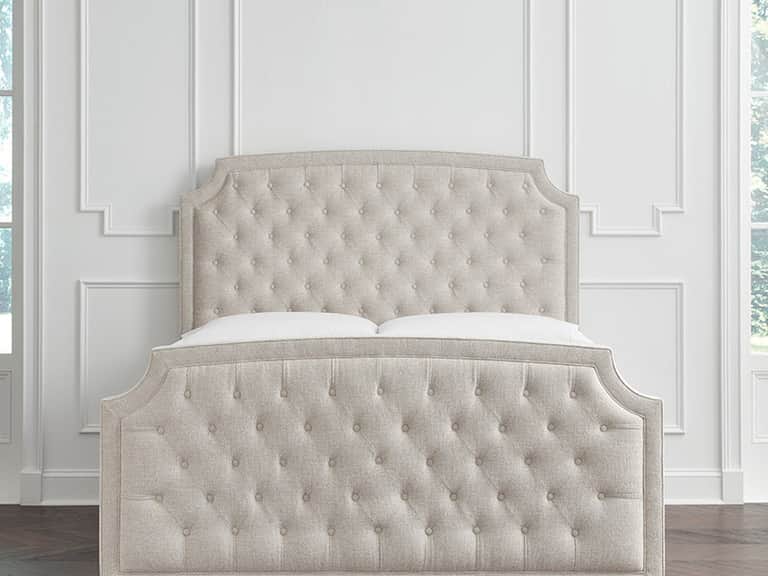
To illustrate how sustainable materials translate into a hillside-inspired room, consider a bed ensemble anchored by a Sunset Canyon Pillow Sham. This product embodies desert-inspired hues and tactile details that ground the space in warmth and texture. Pair it with an Ashville Upholstered Bed with Footboard to complete a cohesive hillside bedroom—where maple wood and stain-resistant finishes provide durability under daily living, while cushions and shams introduce tactile depth that invites lingering moments of rest and reflection.
Product spotlight: Sunset Canyon Pillow Sham — Wooded River
- Desert-inspired color palette: sage greens, earthy browns, rusts, charcoals
- Tactile details: tasseled edges and leather fringes
- Easy to pair with other decor elements for a layered, cohesive look
Product: Sunset Canyon Pillow Sham
Brand: Wooded River
Price: 225.00
Color palette and texture can be tuned with additional textiles to achieve the hillside look you want while maintaining sustainable sourcing.
Practical Guidelines for a Hillside-Inspired, Sustainable Interior
- Prioritize low-VOC finishes: Choose water-based or natural oil finishes that illuminate grain without releasing harsh fumes. This supports healthier indoor air and aligns with hillside living’s emphasis on nature-centric comfort.
- Favor locally sourced materials where possible: Local mills, Vermont-based makers, and nearby forests reduce transportation footprints and support regional economies—while often enabling a more intimate, time-honored process.
- Embrace a cohesive palette: Grounded tones like sage, earthy browns, and charcoal create a serene backdrop that allows textures to narrate the space. Use textiles and wood tones to echo hillside landscapes rather than overwhelm with color.
- Plan for longevity and adaptability: Hillside homes experience seasonal shifts. Invest in durable furniture with modular configurations that adapt to changing spaces, guest needs, and life stages.