A Designer's Guide to Hillside-Inspired Wood Finishes: From Maple to Reclaimed Oak
Explore hillside aesthetics through wood finishes, comparing maple, oak, and reclaimed woods, with practical tips for aging gracefully, coordinating with textiles, and illuminating small hillside spaces. This editorial guide is written in a Time magazine cadence—clear, insightful, and practically actionable for designers, homeowners, and DIY enthusiasts alike.
Hillside living has a language of texture, light, and mineral warmth. It’s the quiet drama of dawn scenting pine cups on a weathered railing, the tactile embrace of linen and wool against cedar grain, and the visual rhythm of wood grain brushed by hillside air. In furniture, this translates to finishes that reveal a narrative of place: maple’s pale, creamy glow that catches sun in a hillside cottage; oak’s sun-kissed warmth that ages into a genteel patina; and reclaimed woods that carry the marks of history—knots, nail holes, and story lines—softened by time and weather.
This article surveys three core wood families and their finishes, then translates those choices into real-world styling for hillside-inspired interiors. We’ll also spotlight three influential designers from distinct eras who shaped our understanding of wood as memory, material, and mood.
Three Wood Families, One Hillside Story
The hillside interior speaks to a trio of woods—maple for light, oak for warmth, and reclaimed wood for memory. Each carries a distinct personality, yet all share a respectful aging process that reveals character without fading into heaviness.
Maple: Luminous, Quiet
Maple brings a pale, almost milk-tinged glow that reflects hillside light with a soft, even sheen. In furniture and finishes, maple ages gracefully, taking on a warm honey patina that brightens small rooms and makes textures feel airy. For hillside-inspired decor, maple works best with natural textiles—undyed linens, undyed wool, and cottons with subtle textures that echo the gentle slope of a hillside road. Consider a light matte or satin topcoat that resists yellowing and keeps the grain visible.
Oak: Sun-Kissed and Timeless
Oak carries more gravity and golden depth. Its grain pattern—bold and readable—gives interiors a grounded, rural sophistication. When used in hillside spaces, oak can be finished with a light stain that preserves its warmth while reducing contrast, allowing textiles and lighting to take center stage. Oak’s durability makes it ideal for tables, Casegoods, and structural pieces that anchor a room with quiet confidence.
Reclaimed Wood: History in the Grain
Reclaimed wood carries the history of its former life, with nail holes, weather marks, and a patina that speaks to time and place. In hillside interiors, it embodies rustic charm tempered by modern sensibilities. Finishes should be chosen to preserve the texture while preventing surface damage—low-luster oils or waxes that deepen color without concealing grain are ideal. Reclaimed wood often works best as accent panels, shelving, or feature beams that nod to the hillside ethos without overwhelming the space.
Finish Philosophies: Aging Gracefully vs. Shiny New
Finishes are not merely surface choices; they communicate mood, climate, and lifestyle. In hillside interiors, the idea is to balance tactile warmth with lightness, so textures read as organic rather than clinical. Below are practical frameworks for selecting finishes that age gracefully, maintain color, and harmonize with textiles and lighting in small hillside spaces.
- Hide wear, not character: Favor finishes that mask sun exposure and humidity-driven changes, like UV-stable varnishes or hard wax oils that highlight grain without glare.
- Coordinate color temperature: Use warm neutrals on wood to harmonize with textiles in cream, sage, and clay tones. The hillside aesthetic thrives on cohesive, sunlit warmth rather than stark contrast.
- Play with patina over time: Reclaimed wood often evolves beautifully—allow it to mellow with use. Maples and oaks can follow suit when finished to promote a gradual, uniform aging process.
- Textile synergy: Align wood tones with textiles—think eucalyptus greens, earthy browns, and slate grays. Wood finishes should support, not compete with, fabrics and rugs that anchor a room’s palette.
Practical How-To: Achieving Hillside Harmony
Whether you’re selecting a finish for a new hillside retreat or reimagining a city apartment with hillside aspirations, the following steps translate theory into action.
- Define your palette: Start with a base of warm neutrals (cream, ivory, taupe) and add one hillside accent color (sage green or earthy rust) for depth. Use maple as the light anchor and oak for mid-tones, reserving reclaimed wood for focal moments.
- Test before you commit: Order sample boards and finish swatches. Observe under daylight and artificial light to understand how color shifts in different hours and seasons.
- Use mid-tone to frame light: In small rooms, choose lighter wood tones to reflect light. Pair with lighter textiles and minimal hardware to keep the space feeling expansive.
- Protect without masking: For hillside environments with humidity, prefer finishes that resist moisture without dulling grain. A durable oil or satin polyurethane can offer balanced practicality and beauty.
- Layer texture: Introduce tactile layers through textiles (linen sheets, wool throws) and accessories that complement wood’s warmth and grain.
Editorial Perspectives: Three Influential Figures Across Time
To understand hillside-inspired wood finishes, we can draw from visions that transcended eras—architects and designers who treated wood as both instrument and memory. Here are three key individuals who shaped our relationship with wood finishes, each from a distinct period.
Gottfried Semper (1803–1879)
Semper’s discourse on materials and craft celebrated the natural properties of wood and its capacity to convey structural truth. His emphasis on honest materials resonates with hillside interior philosophy: let the wood’s natural color and grain speak, unencumbered by excessive ornament. In practical terms, this translates to finishes that honor grain and texture, rather than masking them behind glazes or gimmicks.
Ray and Charles Eames (1907–1978; 1907–1978)
The Eameses’ relentless curiosity about form, function, and material performance informs modern hillside projects: wood is not merely decorative but a vehicle for comfort and practicality. Their work with molded plywood and refined joinery demonstrates how finishes can protect while letting the wood’s warmth and personality emerge—an ethos that guides hillside interiors toward refined rusticity rather than rustic kitsch.
Nikos Theodorakopoulos (Mid-20th Century, modernist crafts)
While less famous in the mainstream, this lineage emphasizes a disciplined craft approach—finishes chosen to endure, with patina earned through time. In hillside interiors, this mindset encourages selecting finishes that celebrate aging: natural waxes, protective oil blends, and subtle sheens that illuminate grain and texture with quiet dignity.
Product Spotlight: Sunset Canyon Pillow Sham
The Sunset Canyon Pillow Sham embodies hillside-inspired complexity in a textile form. Featuring a Pendleton-inspired desert palette—sage greens, earthy browns, rusts, and charcoals—its tasseled euro shams and leather fringes add tactile richness to a bed ensemble. While the pillow sham is a textile, its finish and colorway harmonize with wood finishes that evoke a hillside retreat. Its presence invites layering with other textiles to create a cohesive, sun-dappled bedscape.
Product details for reference include coordinating with other Sunset Canyon pieces to achieve a unified look. The pale warmth of maple or the gentle amber of oak can be brought into view through beds, frames, and surrounding furniture to echo the desert-hued fabric.
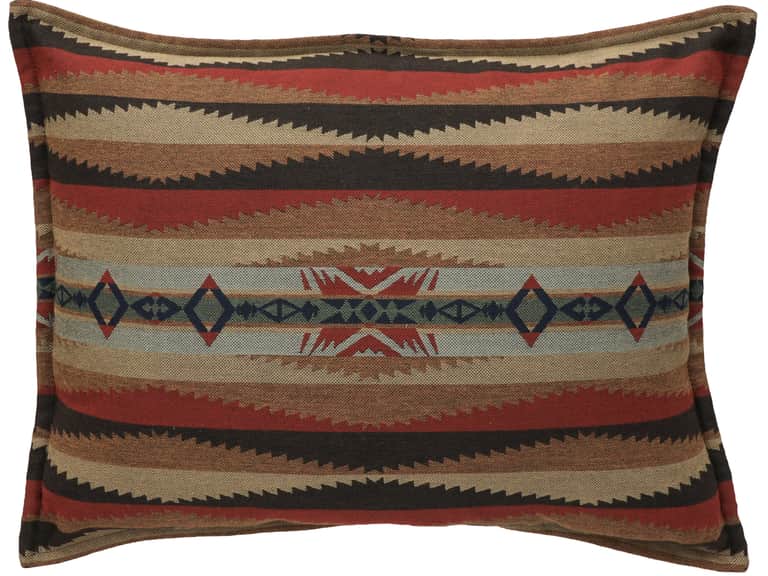
Source: Sunset Canyon Pillow Sham, Wooded River collection (5328).
A Note on Sustainability and Sourcing
The hillside interior is as much a philosophy as a style. It privileges materials that age gracefully, sustain local economies, and minimize environmental impact. When selecting wood finishes and furniture, consider certifications like FSC for hardwoods, and seek pieces that support responsible forestry and local craftsmanship. In this era of climate-conscious design, hillside aesthetics is an invitation to invest in durable, repairable pieces that tell a story—rather than disposable, single-purpose items.
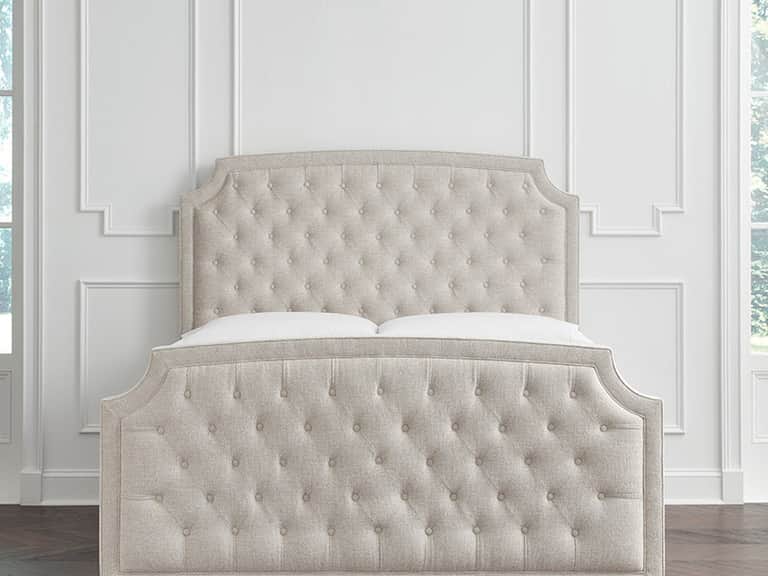
For example, the Ashville Upholstered Bed with Footboard demonstrates how a maple frame can be married to stain-resistant polyurethane upholstery for durability and clean, long-term wear. Its American-made production and customization options align with hillside design’s insistence on mindful craftsmanship and timeless appeal.
Conclusion: Crafting a Hillside Mood in Your Home
Across woods, finishes, and eras, hillside-inspired interiors offer a tranquil yet expressive vocabulary. Maple’s lightness invites daylight into intimate spaces; oak provides a sturdy, sun-warmed backbone; reclaimed woods carry a narrative that binds past and present with the land itself. By selecting finishes that age gracefully, coordinating with textiles in warm, earthy palettes, and prioritizing sustainable sourcing, you can craft interiors that feel both rustic and refined—like a hillside retreat that fits in a modern home.
As design evolves, the hillside remains a generous teacher: it asks us to balance light and shadow, memory and modernity, and the beauty of a well-worn surface with the clarity of a thoughtful layout. The finishes we choose are not merely color or texture; they are a conversation about place, time, and care—and they remind us that true design, like hillside living, is a practice in gentle endurance.